Some news stories feel distant from the daily life of a family — and yet they touch it far more closely than you might imagine.
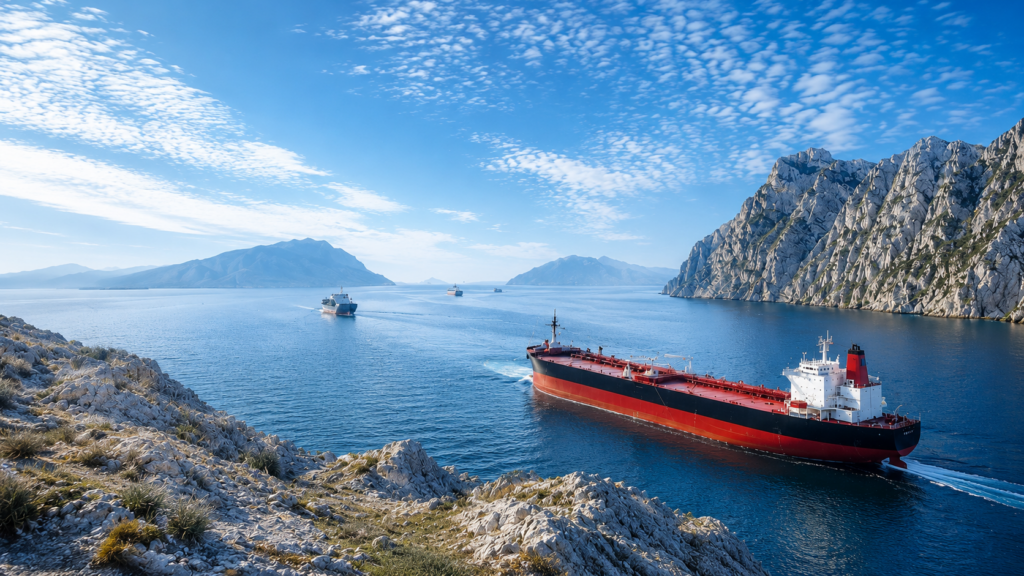
The reports of the past few hours about a possible agreement between the United States and Iran, and the reopening of the Strait of Hormuz, are exactly that kind of story. A positive signal for the global economy — and, as we shall see, for anyone dreaming of a study holiday abroad.
Why the Strait of Hormuz Matters to a Study Holiday
In recent months, the tensions in the region have helped push up the cost of energy. And when energy prices rise, so do the operating costs of a great many sectors — including travel and international education.
MLA, too, has seen significant increases in the costs of organising its programmes abroad, particularly in the United States and the United Kingdom. These increases have affected transport, excursions, logistics, accommodation, university campuses, colleges, and many of the services connected to a study holiday.
Faced with this situation, MLA had a choice to make.
The Law Allowed Us to Raise Our Prices. We Chose Not To.
European and Italian legislation on travel packages — in particular Directive (EU) 2015/2302, transposed into the Italian Tourism Code — allows organisers to adjust the price of a package when there are significant changes in the cost of transport, fuel, energy, taxes, or other external factors affecting the trip.
We could have, fully within the law, passed these higher costs on to participants.
We chose not to.
MLA decided to absorb these increases internally, without applying any extraordinary adjustment to the families, Group Leaders, agents, and partners who have chosen to place their trust in us.
“It is a decision that carries a significant financial commitment, but one we believe is consistent with the values that have guided MLA for more than fifty years. The trust of our clients is an asset worth far more than any short-term economic gain.”
— Massimo Tardi, CEO of MLA Move Language Ahead
A Hopeful Look Towards the Middle East
This is why we welcome the signs of easing tension coming from the region. Greater stability could help reduce the pressure on energy and logistics costs, with benefits not only for the Gulf countries — the United Arab Emirates, Oman, Qatar, Bahrain, Kuwait, Saudi Arabia, Iraq and Iran — but for the global economy as a whole.
Our hope is that this phase may open a new season of growth and development for international tourism.
Because when tensions ease, it is not only the economy that benefits. Families benefit. So do students, schools, businesses, and everyone who believes in the value of bringing different cultures together.
And that is exactly what MLA continues to promote, every single day.