
A study holiday is an experience of fun, socialisation, discovery and personal growth… and we could go on forever!
But beyond all this, an MLA study holiday is first and foremost about learning a new language through a tailor-made educational pathway designed to give students, in just two weeks, the same knowledge they could acquire over an entire school year. So the question naturally arises:
“Why do two weeks of an MLA course correspond to about one full school year of standard learning?”
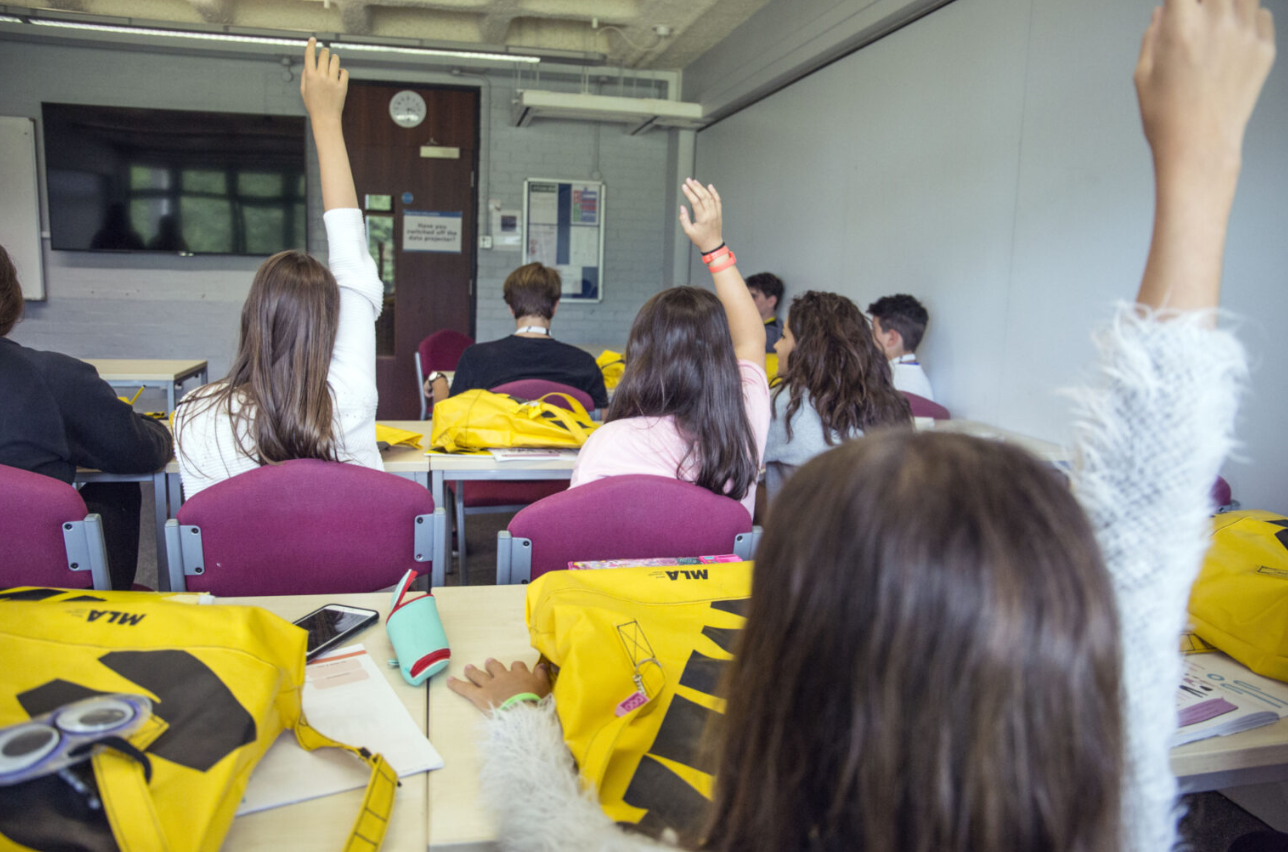
An MLA course consists of 30 hours of General English and 4 hours of English for Specific Purposes, delivered in classes of no more than 15 students, all at the same language level, with highly qualified teachers.
In addition to classroom lessons, students take part in a wide range of language-based activities that help them practice English and learn new vocabulary, as well as the Conversation Room: dedicated spaces where students meet teachers and activity leaders to practice speaking, listening and comprehension in an informal environment. A standard school year, on the other hand, includes about 99 hours of lessons in mixed-level classes, which are reduced by over 50% once time spent on oral exams, written tests and similar activities is excluded.
It is also important to note that the method used in MLA classes is a more practical approach known as Task-Based Learning, which allows students to learn the language faster and more effectively. Let’s now take a closer look at everything that makes up the MLA learning method.
The MLA Teaching Method
Online Test
The MLA method begins even before departure!
MLA has created an online language test that students must take before leaving. The test is used to assess each student’s language level so they can be placed in the correct class right away, avoiding the loss of valuable lesson time.
Electronic Register
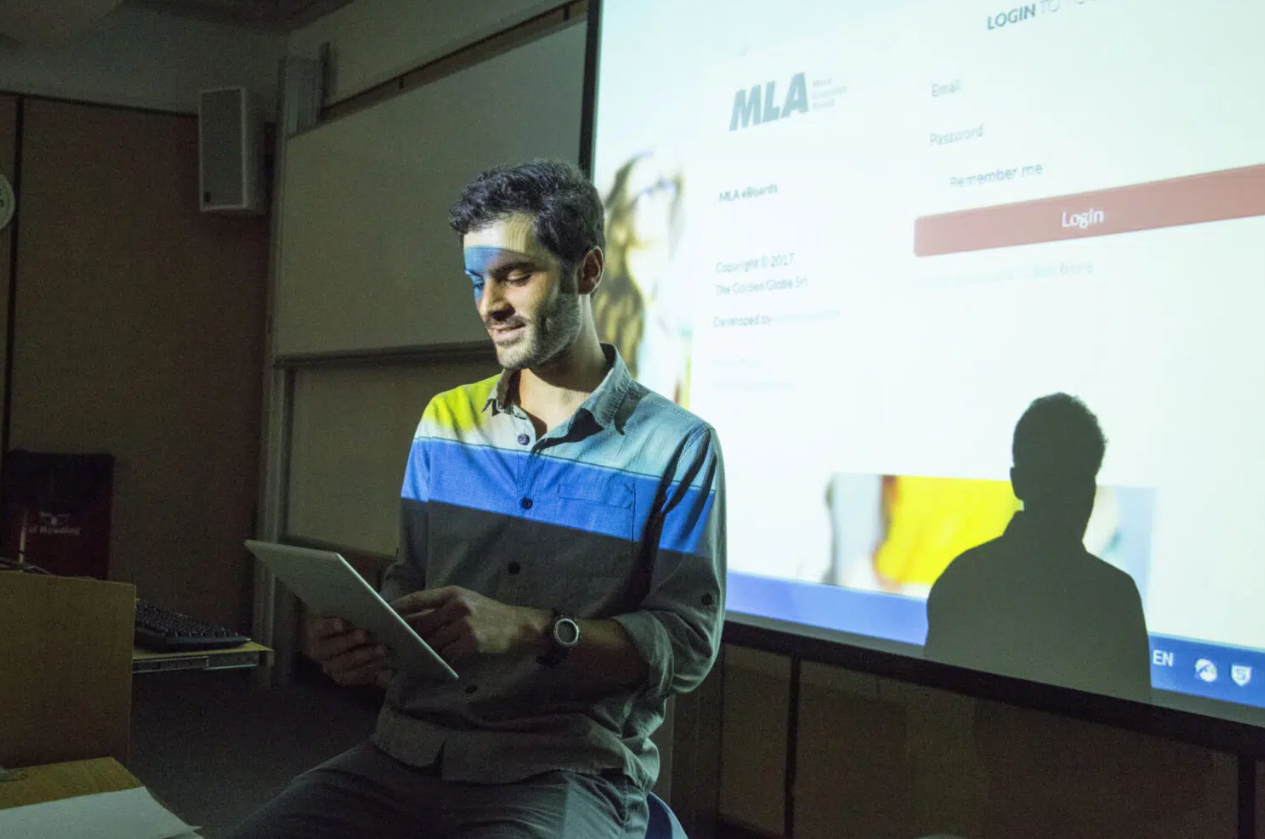
Thanks to the MLA E-Board, parents are always informed about what happens in the classroom. At the end of each lesson, teachers record all relevant information in the electronic register, including attendance, lesson content and student progress.
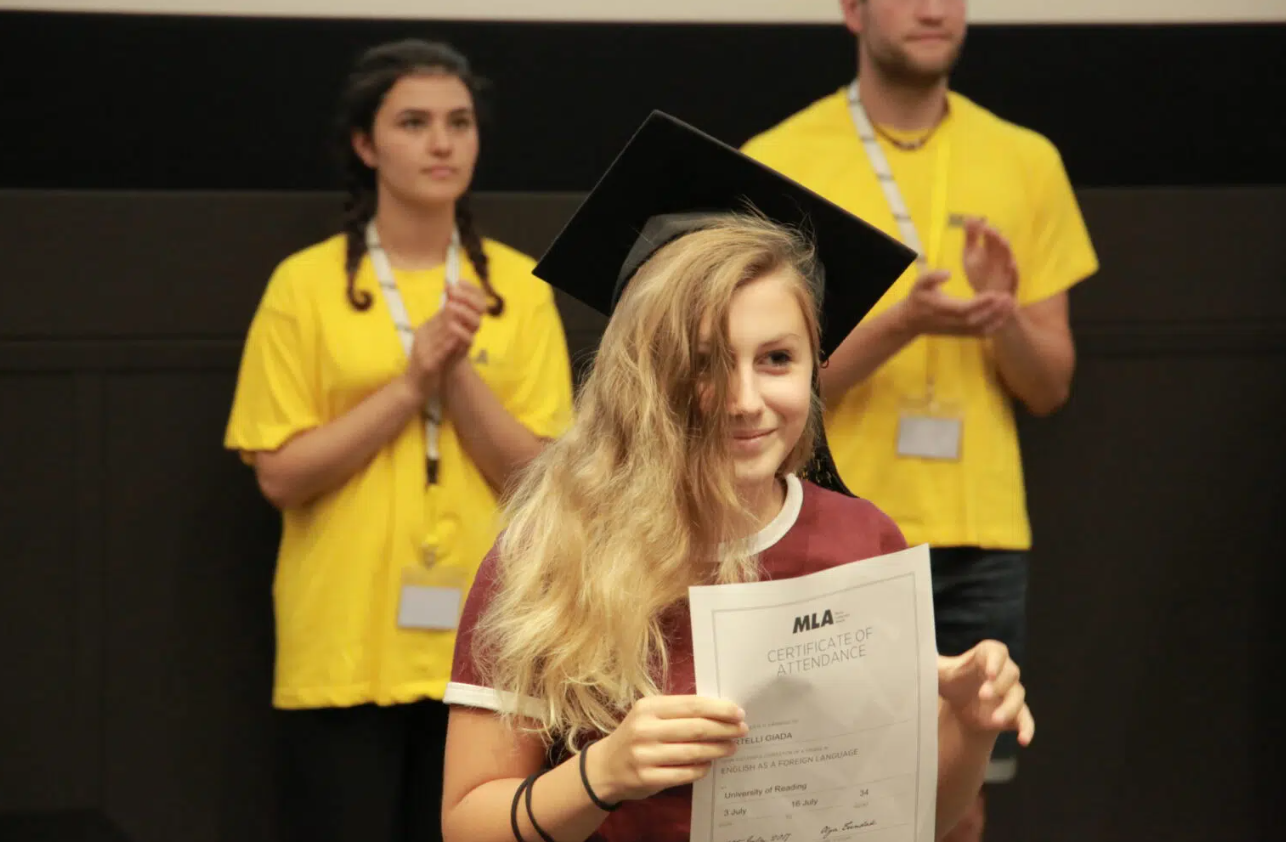
Parents can therefore monitor teaching activities and student progress on a daily basis and, at the end of the study holiday, download the Certificate of Attendance and the End of Course Report, which includes class attendance, topics covered during the course and the student’s evaluation.
MLA Taskbooks and Task-Based Learning
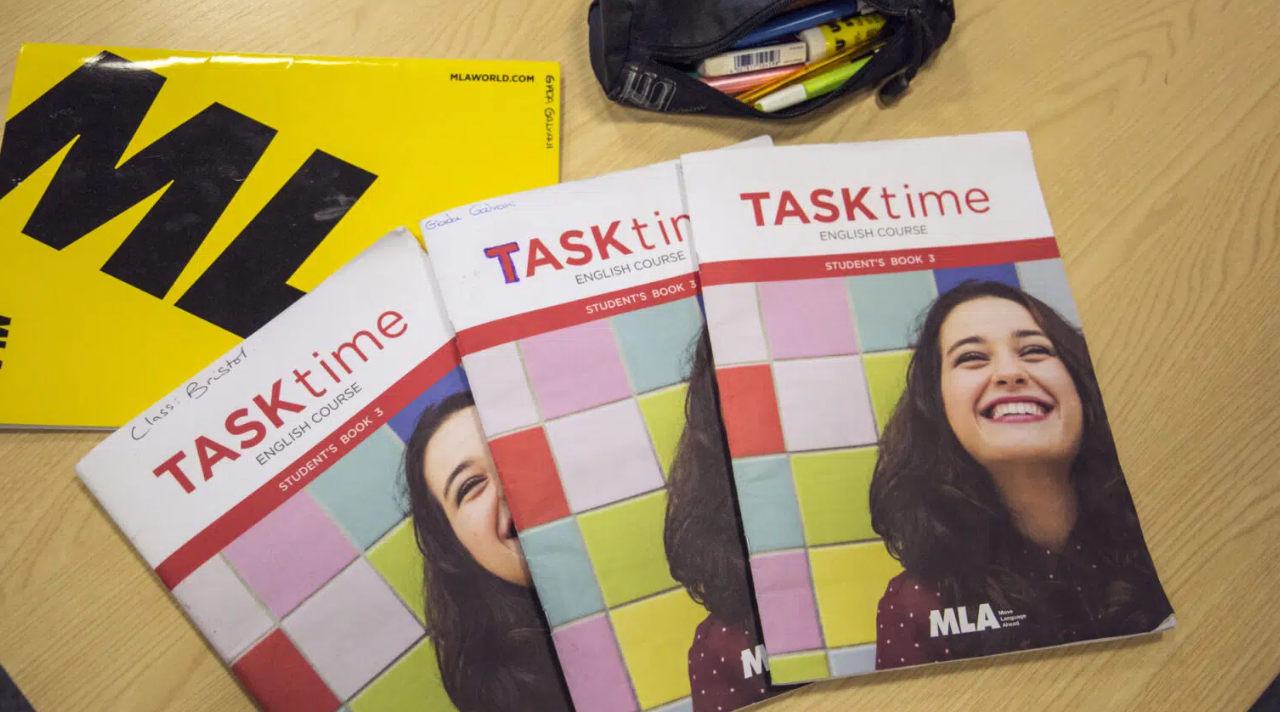
MLA has developed specific taskbooks for each language level to ensure a consistent quality standard across all classes. Lessons are delivered using the Task-Based Learning method, through which language learning takes place by actively involving students in interactive activities.
By assigning a task, teachers give students the opportunity to use the language by drawing on all the linguistic resources they have available, without being forced to follow specific grammatical structures. Through different types of tasks, students are encouraged to apply the language in a variety of situations.
The Classroom
Thanks to highly qualified teachers, classes organised by language level, and a maximum of 15 students per class, effective learning is guaranteed!
Chit Chat Club
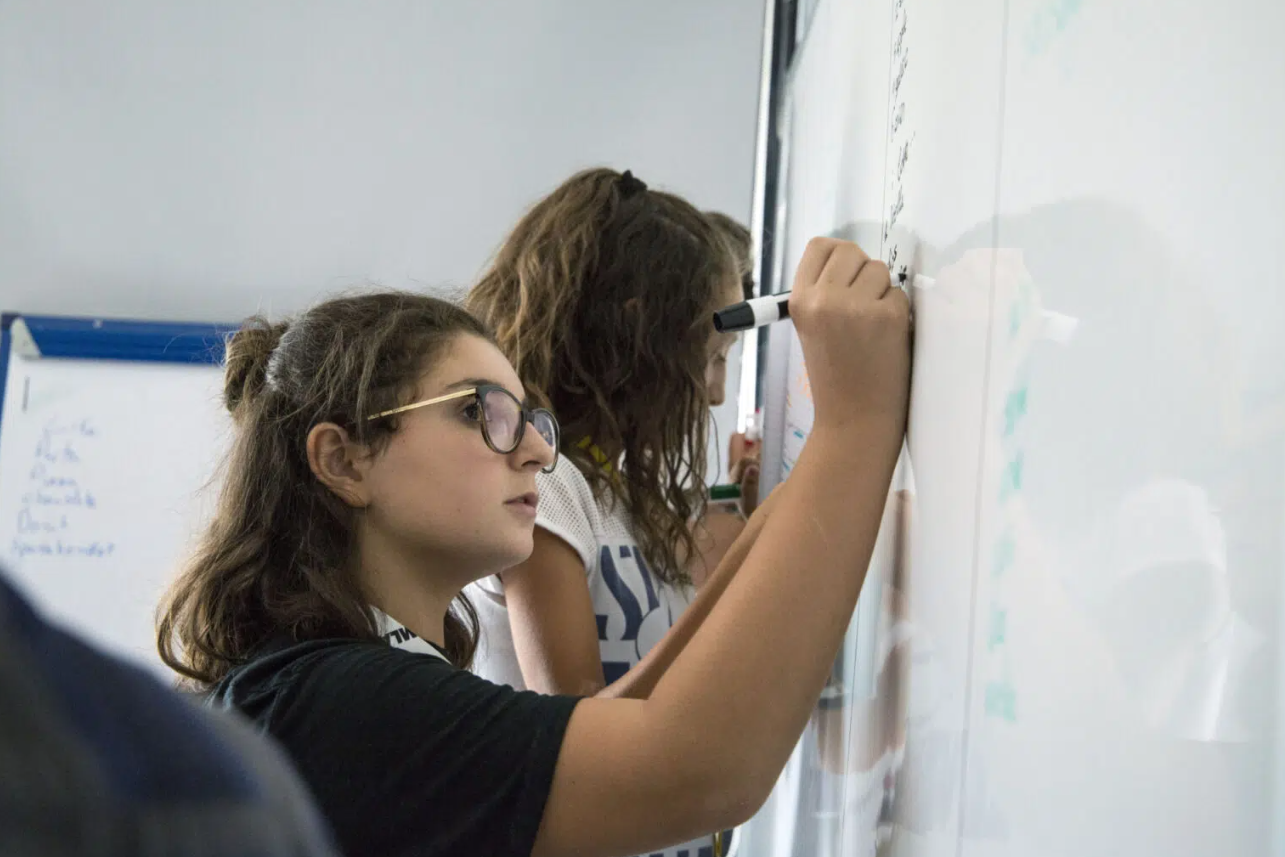
This is an additional activity designed to increase opportunities for interaction between students, teachers and activity leaders. In an informal environment, students can interact spontaneously without feeling assessed or judged. In this way, conversation becomes easier and more natural, and students learn effortlessly simply by “chatting” with native-speaker activity leaders.
MLA iStudy
With MLA iStudy, the online learning course, students can learn English before, during and after the study holiday, for a total duration of one year.
Final Portfolio
At the end of the study holiday, parents will receive a final portfolio containing all the details of the course attended by the student, as well as the certificate of participation.
The portfolio, which parents will receive by email and can also download online, includes details of the lessons attended, student evaluations and progress, class attendance, teachers, and everything that formed part of the student’s language learning journey.