
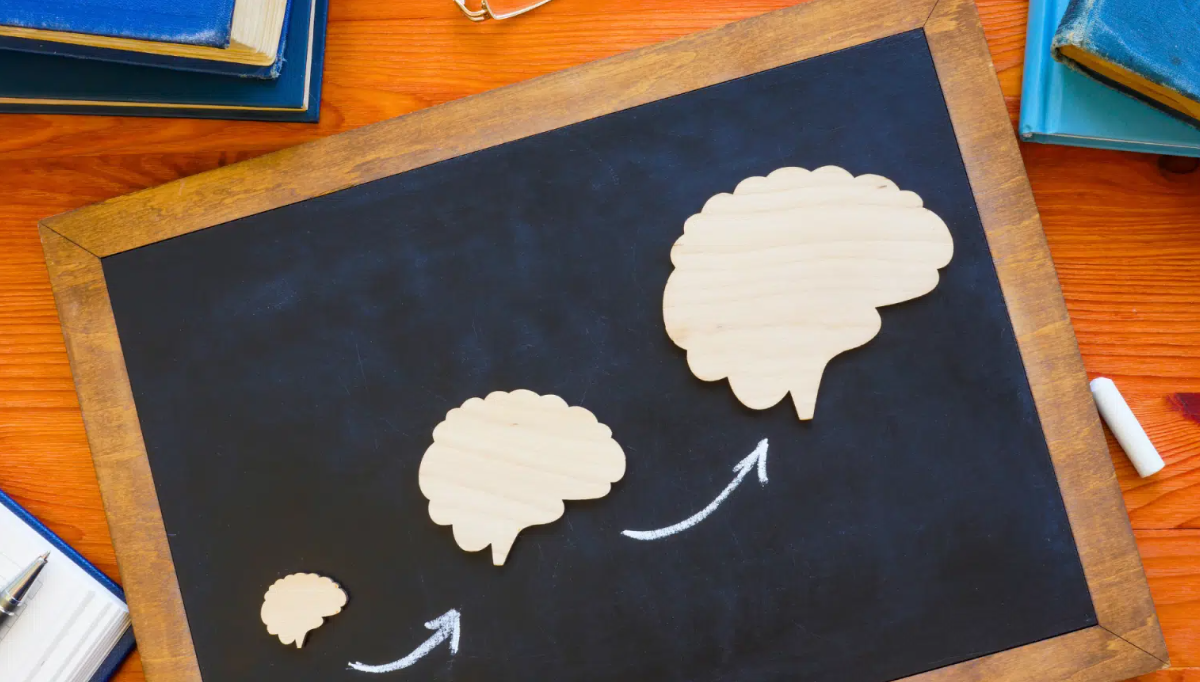
Learning a new language is an engaging journey that takes us through an intricate cognitive landscape. Behind every word we learn and every grammatical rule we internalize lies a fascinating process within our brain. In this article, we will explore the science of language learning, uncovering the secrets of the work our brain carries out as we learn a new language.
Brain Plasticity: the key to linguistic adaptation
The human brain is remarkably flexible and adaptable, a concept known as brain plasticity. This characteristic allows the brain to change and reorganize itself in response to experience. When we learn a new language, our brain engages in a process of adaptation, creating new neural connections and strengthening existing ones to integrate the new language. In simple terms, we can compare our brain to an elastic band that can stretch, bend, and adapt to store words, phrases, and grammatical rules. It is as if every new word were a new adventure for our brain!
Learning styles and neural structures
Each individual has a unique learning style, influenced by a combination of genetic, environmental, and personal factors. Neuroscientific studies have shown that learning styles can affect how the brain processes and stores linguistic information. For example, some individuals may prefer visual learning, while others may benefit from a more auditory or kinesthetic approach. This is why some people say they learn better when they listen to music or draw!
Optimizing Language Learning
Thanks to advances in neuroscientific research, we have gained valuable insights into how to improve the language learning process. Many studies have shown that consistent exposure and repeated practice are crucial for consolidating language skills. Moreover, the use of cognition-based learning techniques, such as spaced repetition and the grouping of related information, can promote more efficient learning.
Understanding the crucial role of the brain in this process allows us to adopt more targeted and effective approaches to language learning. Whether you are a teacher eager to refine your teaching strategies or a student looking for more effective study methods, always remember that your mind needs to be nourished with rich and stimulating language experiences—and you will see how, day by day, you achieve an ever-greater mastery of the language you are learning